
Why Are We Still Talking About Check Fraud?

Introduction
Check fraud is far from a new phenomenon, but over the past two years, financial institutions nationwide have suffered the negative effects of check fraud at an alarmingly high rate. The majority of financial institutions agree that check fraud is currently one of their top 3 fraud prevention priorities. As we near the end of 2023, the rate of check fraud activity does not seem to be slowing down. In fact, it may only be getting worse.
Telegram – The Favored Platform
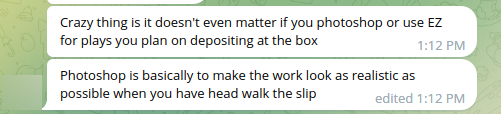
The popular, anonymous messaging app Telegram is the favored platform for the spread of check fraud. Telegram’s check fraud ecosystem is a large and growing community of fraudsters who use the platform as a one-stop shop for check fraud. Fraudsters can buy and sell stolen checks, advertise compromised USPS mailbox keys for sale, promote check alteration services, recruit mules, and more. Fraudsters with little to no prior experience in check fraud can easily find on Telegram all the resources necessary to participate in the scheme. As we will illustrate below, our analysis points to substantial growth in chatter and activity on Telegram’s check fraud ecosystem that correlates with reported surging levels of check fraud across the country.
The Numbers Keep Rising
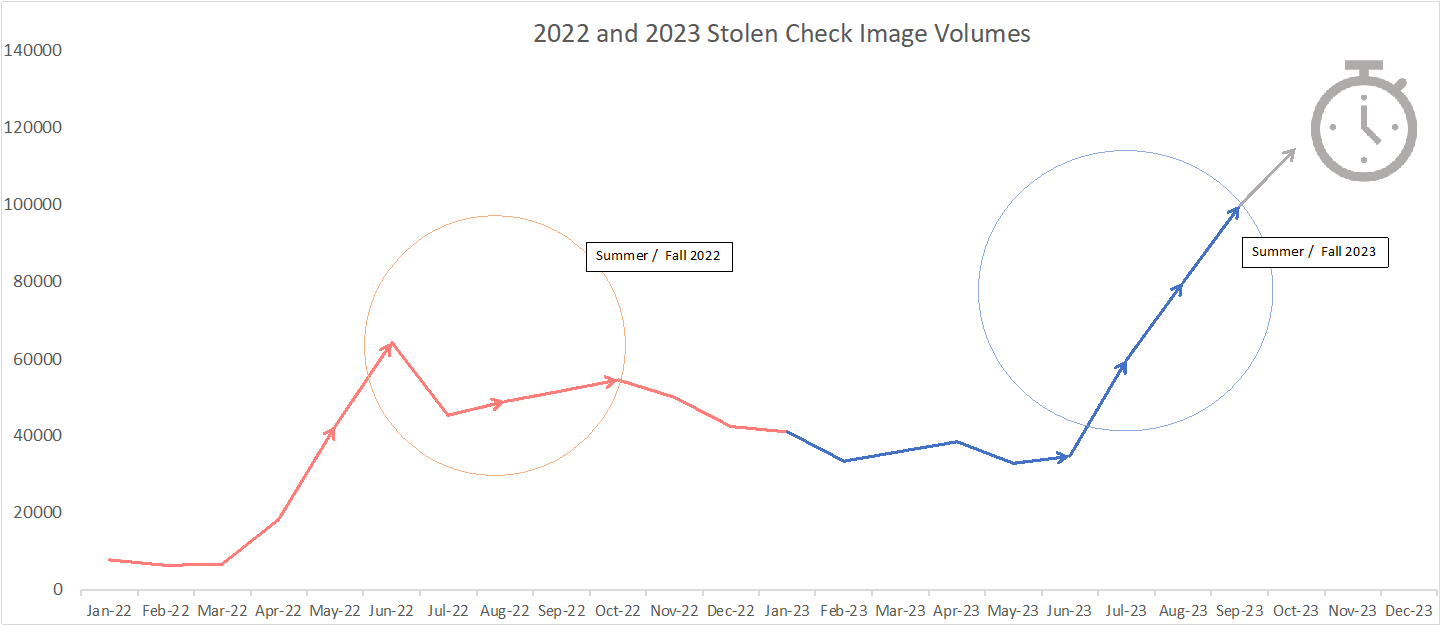
One aspect of the check fraud ecosystem where we observed significant growth was the volume of compromised check images shared on Telegram. When compared to the number of compromised check images that we observed on Telegram between January and September of 2022, we saw a 56% increase during the same timeframe in 2023. Furthermore, the number of stolen check images on Telegram so far in 2023 (572,000) is already 30% higher than the total number of images from 2022 (441,000), and we still have 2.5 months left until year end. This influx of stolen check images reflects very strong supply and demand dynamics.
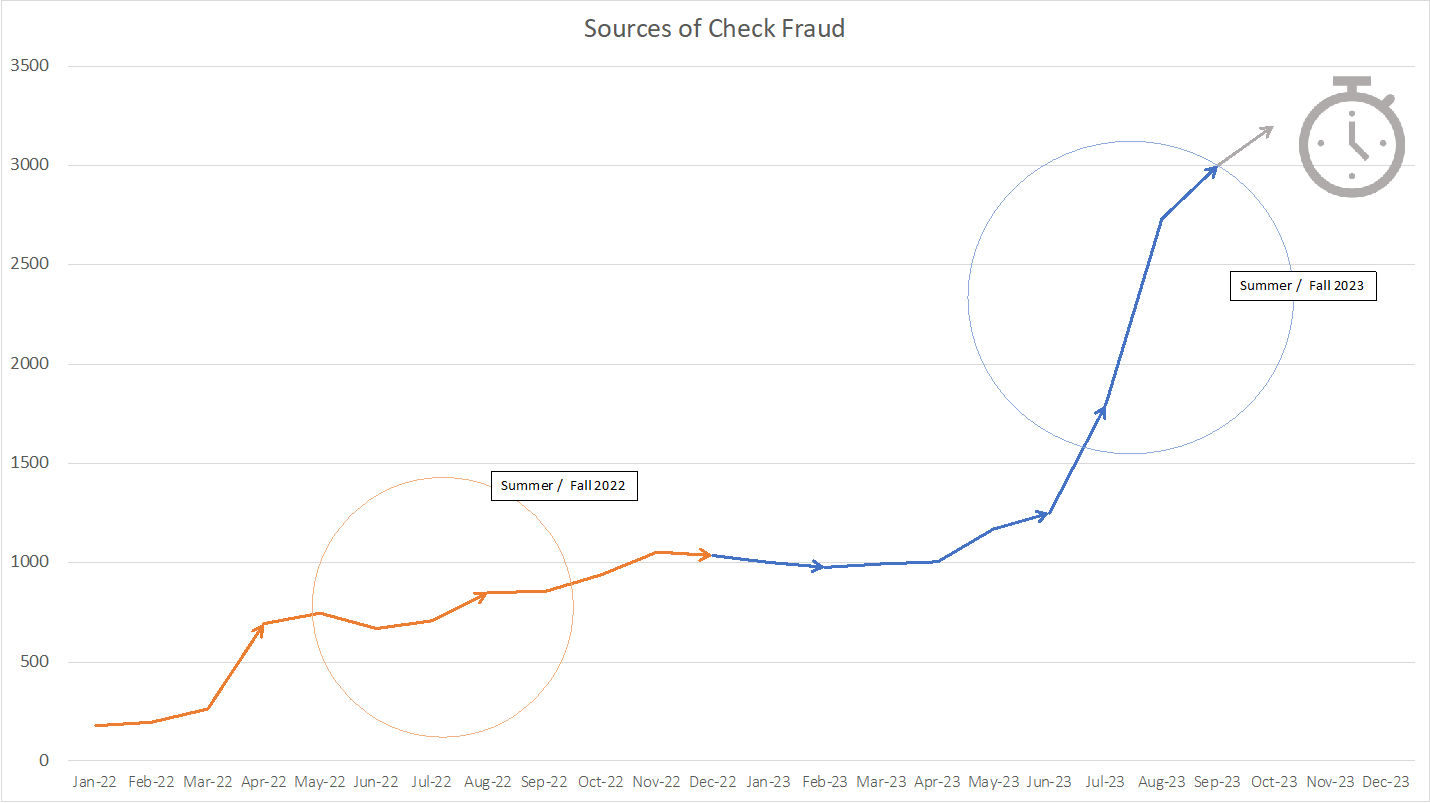
In addition to the influx of stolen check images, the number of groups or communities dedicated to check fraud also continues to rise. In January 2023, approximately 1,000 of groups were responsible for posting over 41,000 stolen check images. Just 9 months later in September 2023, the number of check images more than doubled, while the number of groups and communities tripled.
Check Fraud ‘Slang’
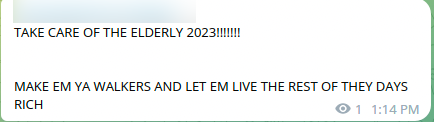
These check fraud groups and communities communicate with their unique form of slang. Some of the terms reflect established or new tactics used to commit check fraud. For example, in late 2022, we identified fraudsters’ use of the term “walkers”, referring to individuals recruited to make in-branch deposit attempts (see our blog post, “Walkers” – Trafficking the Elderly, Disabled, and Homeless for Check Fraud”). This year, new slang terms include “facers” and “heads”.
“Walkers”
Although chatter including the term “walkers” is not new, the frequency of related discussions have been growing quickly. Between May and August 2023, chatter including the term “walkers” increased 69% when compared to chatter from January to April 2023.

“Facers”
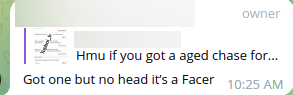
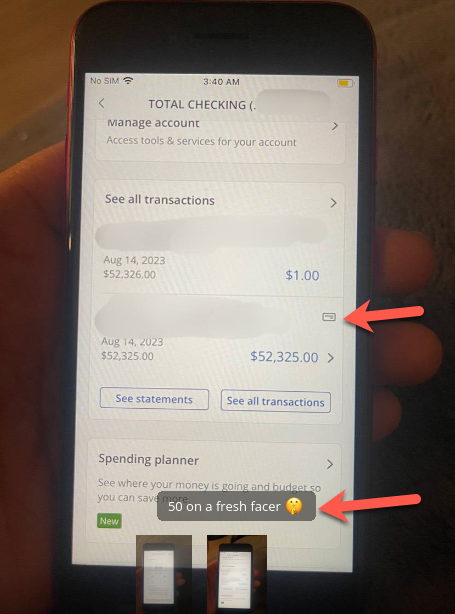
A “facer” is a mule account created using “pros”, which refers to stolen PII specifically from an individual with a high credit score. The term was sparingly referenced during 2022 by the check fraudster community; however, the use of this term greatly increased beginning in February 2023. These types of mule accounts are advertised by fraudsters with the connotation that that they do not need to be aged before successfully receiving large deposits, making them more attractive for check fraud. Chatter concerning “facer(s)” more than doubled during the summer of 2023.
“Heads”
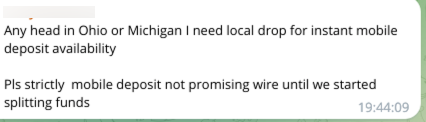
“Heads” are individuals who deposit compromised checks in person using their own accounts. Similar to “facers”, the term “heads” appeared sparingly before becoming more popular in April and May 2023. Between just July and August 2023, we observed a 144% increase in the term’s frequency of use. When fraudsters reference “heads”, they are either seeking or advertising such mules, and often indicate the relevant region or financial institution.